
5 Steps to Add Posture Practice to Your Morning Routine
Quick Summary
Add posture practice to your morning by starting with a five-minute routine right after an existing habit, such as making coffee. Begin with three short movements (cat-cow, wall angels and bird dogs) and build up over four weeks. Consistency matters more than intensity.
- Start with a five-minute routine, or three minutes on rushed mornings.
- Attach your routine to a habit you already do, like starting the coffee maker.
- Begin with three movements three days a week, then add more over four weeks.
- Track consistency with a calendar and rate neck and shoulder stiffness each morning.
- Stop and consult a professional if you have numbness, tingling, or worsening pain.
Table of Contents
- Why Your Morning Is the Best Time for Posture Practice
- What You Need Before You Start
- Build a 5 Minute Posture Workout That Fits Your Morning
- 7 Exercises to Improve Posture Before Your Day Begins
- Daily Posture Exercises for Different Morning Schedules
- How to Correct Posture While Sitting Between Morning Routine Blocks
- Making Your Morning Posture Practice Stick and Tracking Progress
- Frequently Asked Questions
5 Steps to Add Posture Practice to Your Morning Routine (Source: a 2023 report by the Centers for Disease Control and Prevention (CDC))
Last Updated: November 7, 2026
Why Your Morning Is the Best Time for Posture Practice
Posture struggles often follow a clear pattern. Most of the damage builds up over long hours of sitting, scrolling, and hunching over screens.
Posture practice is a short set of movements that trains the muscles supporting your spine, shoulders, and neck.
Morning works well for three reasons:
- Your schedule is more predictable. Work calls and deadlines rarely start before you do.
- Your body is ready to move. A short routine loosens stiff joints after a night of rest.
- It sets the tone. Starting the day with intention makes it easier to notice slouching later.
Many people find that the hardest part is starting. Keep the first version small. Five minutes is enough to begin, and you can build from there.
What You Need Before You Start
You do not need much to begin. Most posture routines work with floor space and a little time.
Here is a simple checklist:
- A clear spot on the floor, about the size of a yoga mat
- A mat, folded towel, or thick blanket for knees and back
- A timer or phone alarm set for 5 minutes
If you have a current back, neck, or shoulder injury, talk with a doctor or physical therapist before starting a new routine.
Watch out: Do not push into sharp pain. Mild stretching sensations are normal. Pain that sharpens, spreads, or lingers after you finish means you should stop and check with a professional.
Build a 5 Minute Posture Workout That Fits Your Morning
A five-minute routine works because it is short enough to repeat daily. The goal is consistency, not intensity.
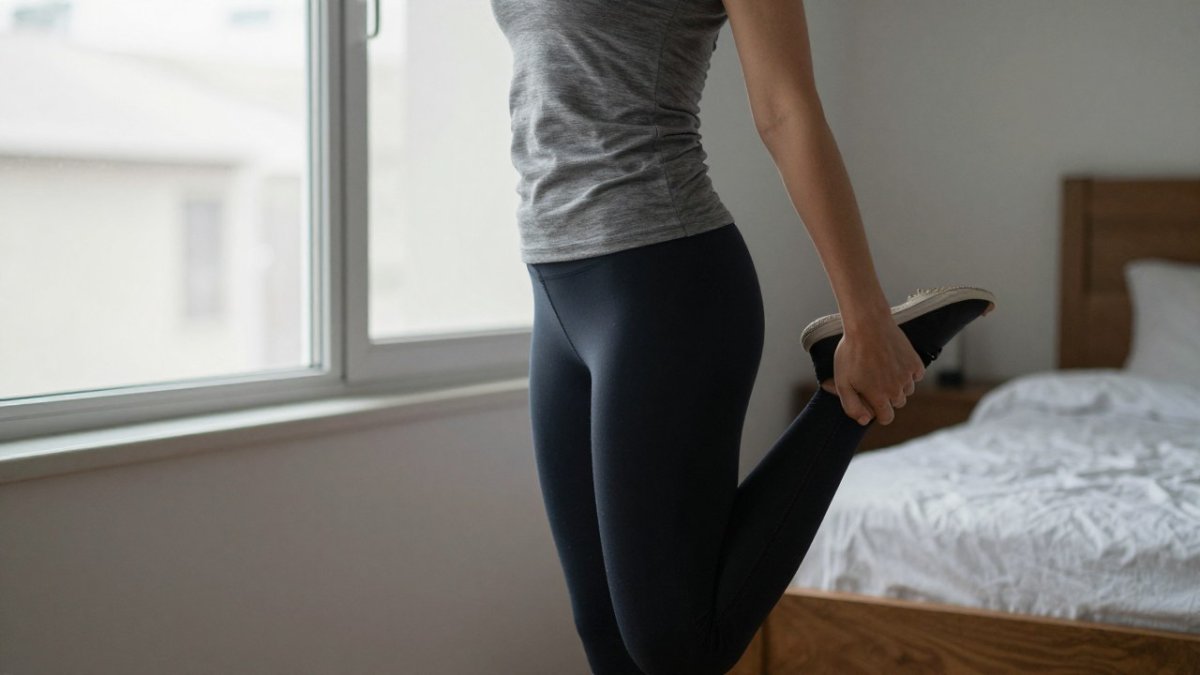
Here is a simple structure you can follow:
- Warm up (1 minute): Gentle neck rolls and shoulder shrugs.
- Mobility (2 minutes): Cat-cow and a chest-opening stretch.
- Strength (2 minutes): Bird dogs and glute bridges.
Keep each movement slow and controlled. If five minutes feels like too much on a busy morning, try three minutes.
Many people find that keeping a routine short makes it easier to stick with. Once the habit feels automatic, you can extend it.
7 Exercises to Improve Posture Before Your Day Begins
These seven exercises cover the areas that stiffen or weaken with sitting: the upper back, shoulders, chest, core, and hips. For a companion guide with more home posture exercises, see more home posture exercises. Each entry gives you the setup, the repetition range, the breathing pattern, the mistake to avoid, and a way to make it easier or harder. Pick three or four for a short routine, or work through all seven on a slower morning.
Upper-Back and Shoulder Mobility Moves
1. Cat-Cow
Start on your hands and knees with wrists under shoulders and knees under hips. Inhale as you drop your belly, lift your chest, and look slightly up. Exhale as you round your back, tuck your chin, and press the floor away.
- Easier: Do the same movement seated in a chair, rounding and arching the spine gently.
- Harder: Pause for two seconds at the top of each arch and each round.
- Watch out: Do not force your neck into a deep backward tilt; keep the movement in your upper back and let your gaze follow naturally.
2. Wall Angels
Stand with your back against a wall, feet about six inches from the baseboard, knees slightly bent. For a step-by-step routine focused on rounded shoulders, see step-by-step routine for rounded shoulders. Bring your arms to a goalpost shape with elbows and wrists touching the wall. Slide your arms slowly up and down while keeping contact. Do 8 to 10 reps, exhaling as you slide up.
- Easier: Step further from the wall or slide only halfway up.
- Harder: Add a two-second hold at the top and bottom of each rep.
- Watch out: If your lower back arches away from the wall, bend your knees more or reduce the range until your ribs stay down.
3. Thread the Needle
From hands and knees, slide your right arm under your body with the palm up, and rest your right shoulder and the side of your head on the floor.
- Easier: Place a folded towel under your head and shoulder.
- Harder: Press your supporting hand into the floor and gently rotate your chest toward the ceiling after the hold.
- Watch out: Do not push into sharp shoulder pain; a stretch across the upper back is the target, not a pinch at the front of the joint.
Core and Glute Strengthening Moves
4. Bird Dog
- Easier: Lift only the arm or only the leg at first, or tap the extended foot down between reps.
- Harder: Draw a small circle with your extended hand before returning.
- Watch out: If your hips rock side to side, shorten the reach and slow down; the point is a still trunk, not a high leg.
5. Glute Bridge
Lie on your back with knees bent and feet flat, heels about a hand's width from your glutes.
- Easier: Lift only halfway, or place a small pillow between your knees and squeeze gently.
- Harder: Pause for five seconds at the top, or perform the lift with one foot slightly off the floor.
- Watch out: Do not let your lower back arch at the top; stop the lift when you feel your ribs start to flare.
6. Dead Bug
Lie on your back with arms reaching toward the ceiling and knees bent at 90 degrees over your hips.
- Easier: Move only the legs, keeping your arms still, or lower just one limb at a time.
- Harder: Slow the lowering phase to four seconds.
- Watch out: If your lower back lifts off the floor, reduce the range; the movement should come from the hips and shoulders, not from arching the spine.
7. Chest Opener
Stand in a doorway with forearms on the frame at shoulder height, elbows bent at 90 degrees.
- Easier: Lower your forearms to a lower angle on the frame.
- Harder: Turn your head gently away from the side being stretched, or raise your arms slightly higher.
- Watch out: Do not step so far that you feel pinching in the front of the shoulder; the stretch should stay broad across the chest.
A common mistake is rushing through these movements.
| Exercise | Reps or hold | Best for |
|---|---|---|
| Cat-Cow | 8 to 10 slow cycles | Upper-back mobility |
| Wall Angels | 8 to 10 reps | Shoulder mobility |
| Thread the Needle | Hold 20 to 30 seconds per side | Upper-back and shoulder stretch |
| Bird Dog | 6 to 8 reps per side | Core stability |
| Glute Bridge | 10 reps | Glute strength |
| Dead Bug | 6 to 8 reps per side | Core control |
| Chest Opener | Hold 20 to 30 seconds | Chest and front-shoulder stretch |
Daily Posture Exercises for Different Morning Schedules
Not everyone wakes up with the same amount of time. Adjust the routine to fit your day.
- Rushed mornings (3 minutes): Cat-cow, wall angels, and bird dogs. Three movements, one round each.
- Standard mornings (5 minutes): Add glute bridges and the chest opener.
- Slow mornings (10 minutes): Do the full seven-exercise set, then finish with a 2-minute breathing pause.
Some people prefer to split the routine: two minutes before breakfast and three minutes before the workday starts. Either approach works as long as you get the movement in.
How to Correct Posture While Sitting Between Morning Routine Blocks
Your morning routine is only part of the picture. Between routine blocks and work tasks, you can use quick resets to keep your posture from sliding.
Try these habits:
- Set a 30-minute reminder to check your shoulders and head position.
- Sit with feet flat and your back supported by the chair.
- Lift your screen to eye level so your neck stays neutral.
Many office workers find that a standing desk or a footrest makes these resets easier. Small changes add up over the day.
For readers who sit for long stretches and want a clear plan for the shoulders, see our guide on how to fix rounded shoulders from desk work.
If you tend to crane your head forward at the screen, our tech neck correction guide covers simple adjustments and exercises for that pattern.
Making Your Morning Posture Practice Stick and Tracking Progress
Consistency matters more than perfection, but consistency does not happen by accident. The most reliable approach is to attach the routine to a cue that already happens every morning, then build a simple weekly progression so the practice grows without overwhelming you.
Use a habit-stack cue
Pick one action you already do without thinking, and do your posture routine immediately after it. Common cues that work well:
- After you start the coffee maker. The brewing time is your window.
- After you brush your teeth. The bathroom floor or a nearby mat is your spot.
- After you let the dog out. The few minutes outside become your transition.
Write the cue on a sticky note where you will see it, or set a phone reminder labeled with the cue rather than the exercise ("After coffee, mat"). A visual cue like leaving the mat unrolled is helpful, but the cue that matters most is the existing habit you attach to.
Follow a four-week progression
Start smaller than you think you need to, then add one variable at a time.
- Week 1: Three minutes, three days. Do cat-cow, wall angels, and bird dogs. The goal is simply to show up.
- Week 2: Three minutes, five days. Keep the same three movements and add one slow breath at the start and end of each.
- Week 3: Five minutes, five days. Add glute bridges and the chest opener.
If you miss a day, resume at the same week rather than restarting. A missed day is not a failure; two missed weeks is the signal to shrink the routine back to three minutes.
Track progress in ways that are honest
Posture change is gradual, so track inputs you control and simple outputs you can notice. Avoid judging by photos alone, since lighting and camera angle change more than your posture does in a month.
- Consistency: Mark an X on a paper calendar for each completed session. Aim for five out of seven days.
- Comfort: Rate neck and shoulder stiffness each morning on a 1 to 5 scale before you move. A drop of one point over four to six weeks is meaningful.
- Mobility: Note whether wall angels reach higher or cat-cow feels less restricted.
Check your notes after four to six weeks. Many people report that the first change they notice is less stiffness when standing up from a desk.
Know when to stop and seek help
Stop the routine and check with a doctor or qualified physical therapist if you experience numbness, tingling, weakness in an arm or leg, severe or worsening pain, pain that wakes you at night, or symptoms that do not improve after several weeks.
For a sturdy tool to support your daily practice, the PosturePlank FLEX is designed to help you train the muscles that support your spine, hips, and shoulders. It can be used alongside the movements above.

Ready to build a steadier morning? Start with the PosturePlank FLEX and make posture practice part of your daily routine.
Frequently Asked Questions
How long should a morning posture routine take?
Most people can see a benefit from a routine of about 5 to 10 minutes. A short sequence done daily is more useful than a long session you skip. Start with five minutes covering a few mobility moves and one or two strengthening exercises, then extend the time as the movements feel easier. If your schedule is tight, split the routine into two blocks, one on waking and one before your first work task. Consistency matters more than total minutes.
Can a few minutes of posture exercises each day make a difference?
Short daily sessions are a practical way to build the habit of moving well. Brief practice can improve how your upper back, shoulders and core feel during the day and gives you a regular reset from long periods of sitting. Results vary by person, and posture changes take weeks of repetition rather than a single session. If you have ongoing pain, numbness or a medical condition, talk with a doctor or licensed physical therapist before starting a new routine.
What stretches help improve posture in the morning?
Useful morning stretches include chest openers in a doorway, cat-cow for spinal mobility, child's pose for the lower back, and gentle neck side bends. Combine these with shoulder rolls and wall angels to move the upper back and shoulders. Hold each stretch for 20 to 30 seconds and breathe slowly. Stop any movement that causes sharp pain, and modify or skip it if it aggravates an existing injury.
Should I stretch or strengthen muscles to improve posture?
Most people benefit from doing both. Stretching helps loosened or tight areas, such as the chest and hip flexors, regain range of motion. Strengthening, such as bird dogs, glute bridges and bands for the upper back, helps the muscles that support your spine hold a good position without effort. A balanced morning routine includes a few mobility moves followed by one or two strengthening exercises.
