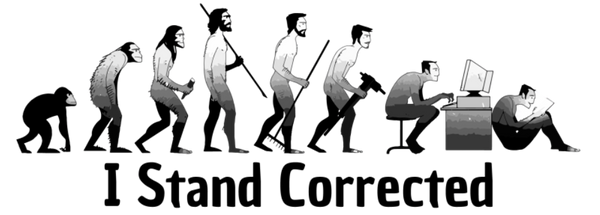
Does a Posture Corrector Really Work for Back and Shoulder Pain?
Last Updated: October 25, 2026
Quick Summary
A posture corrector back shoulder pain device provides external support while training your muscles to hold better alignment, reducing strain on overworked muscles and decreasing pain from poor alignment. Most effective results combine a corrector with intentional strengthening exercises and lifestyle adjustments rather than using the corrector alone.
- Braces and straps provide immediate pain relief within 3-5 days but deliver only temporary results without accompanying exercises.
- Posture-training systems like PosturePlank FLEX cost $119.00 and require 10-15 minutes of active use several times per week for lasting strength.
- Consistent use for at least 4 weeks is the realistic threshold for genuine postural change regardless of corrector type.
- Wearable reminder devices take 2-3 weeks to create noticeable habit change through repeated alerts when you slouch.
- Physical therapy combined with a corrector delivers faster and more durable results than either approach alone.
Table of Contents
- Do Posture Correctors Actually Work for Back and Shoulder Pain
- Types of Posture Correctors: Which One Fits Your Needs
- Best Posture Corrector for Rounded Shoulders and Upper Back
- How Long to Wear a Posture Corrector for Real Results
- Posture Corrector Exercises for Back and Shoulders
- Comfort, Fit, and Durability: What Actually Matters
- When to Seek Professional Help for Chronic Pain
- Finding Your Right Posture Solution
- Frequently Asked Questions
Do Posture Correctors Actually Work for Back and Shoulder Pain
The question isn't whether posture correctors work, it's what kind of work you expect them to do.
Posture correctors deliver real benefits when users understand their purpose: they reduce strain on overworked muscles, decrease pain from poor alignment, and create awareness of how your body should sit and stand. They're not a replacement for movement, exercise, or ergonomic changes, the most effective approach combines a corrector with intentional strengthening and habit shifts.
Research from the American Chiropractic Association emphasizes that postural support tools work best alongside targeted exercises and lifestyle adjustments. A posture corrector functions as one part of a broader strategy. People who use them consistently while also addressing underlying muscle weakness tend to see the most meaningful improvement in both pain levels and long-term posture.
Lasting results require using the corrector while building the strength to maintain good posture without it.
Types of Posture Correctors: Which One Fits Your Needs
Not all posture correctors work the same way, and picking the wrong type wastes money and effort. Explore a comprehensive buyer's guide comparing different posture corrector options to help you choose the right one. Each category targets different problems and lifestyles.
Braces and Straps
Back braces and shoulder straps are the most visible category of posture correction devices, pulling your shoulders back through direct mechanical support rather than training.
Braces wrap around your torso and use adjustable straps to hold your shoulders retracted. They're effective for immediate pain relief, but they're bulky, visible under clothing, and can create dependency, your muscles don't strengthen if an external device does all the work.
Straps are lighter and more discreet, looping around your shoulders without full-torso coverage. They're easier to wear under clothing but provide less support, working best for mild postural issues, a practical balance for desk workers with moderate shoulder tension.
Wearable Devices and Reminder Systems
This category includes smart devices that vibrate or alert you when you slouch. Motion sensors detect when your posture drifts out of alignment and send a gentle reminder; some clip to your shirt, others strap around your torso.
They provide no physical support, so your muscles do the work from the start, and they build awareness rapidly.
The limitation is that they don't address underlying muscle weakness or pain. If your shoulders hurt because your upper back muscles are fatigued, a vibration reminder won't reduce that pain. They work best for mild postural awareness issues rather than significant pain or muscle imbalance.
Posture-Training Systems
Explore specific solutions for rounded shoulders with dedicated training approaches. Posture-training systems like PosturePlank FLEX take a different approach: rather than supporting your posture externally or reminding you to sit up, they actively train the deep stabilizing muscles that should support your spine naturally.
These systems use your body weight and structured positioning to engage core, back, and shoulder muscles in ways everyday movement doesn't, rebuilding the support system that breaks down from prolonged sitting. You use them in short, focused sessions rather than wearing them all day.
The advantage is lasting change: you're not dependent on external support or reminders, but rebuilding the strength that makes good posture feel natural.
The trade-off is that they require active participation, 10-15 minutes of intentional effort several times per week. For people willing to invest that time, they deliver the most durable results.
| Corrector Type | Best For | Daily Wear | Effort Required | Long-Term Results |
|---|---|---|---|---|
| Braces and Straps | Acute pain relief, immediate support | Yes, but bulky | Minimal | Temporary without exercise |
| Wearable Reminders | Posture awareness, habit building | Yes, discreet | Minimal | Good for awareness, limited pain relief |
| Training Systems | Lasting strength and alignment | No, active use only | High | Strongest long-term change |
Best Posture Corrector for Rounded Shoulders and Upper Back
Rounded shoulders and upper back tension are the most common postural complaints, especially among people who spend hours at desks or screens. This problem requires a solution addressing both immediate discomfort and underlying muscle weakness.
For most people dealing with this combination, a posture-training system delivers better results than a brace or strap alone. Rounded shoulders develop because chest muscles tighten while upper back and rear shoulder muscles weaken.
PosturePlank FLEX is built specifically for this situation: a chiropractor-developed system designed to strengthen the exact muscles that counteract forward shoulder slouching, rear deltoids, rhomboids, and upper back stabilizers. Unlike a passive brace, it requires active engagement, which is why it creates lasting change.
The cost is higher than a basic brace, PosturePlank FLEX is $119.00, but the durability justifies the investment. You're not replacing worn-out straps every year; you're investing in a tool that trains your body to support itself.
How Long to Wear a Posture Corrector for Real Results
The timeline for results depends entirely on the type of corrector and how consistently you use it. Understanding realistic timelines keeps you motivated.
If you're using a brace or strap, you'll notice reduced shoulder and neck tension within 3-5 days of regular wear. That relief only lasts while you're wearing it, though, so lasting change requires combining the brace with strengthening exercises.
Wearable reminder devices typically take 2-3 weeks to create noticeable habit change, since your nervous system needs repeated reminders before sitting up straighter becomes automatic.
Posture-training systems like PosturePlank FLEX show results on a different timeline.
The critical factor isn't the tool itself, it's consistency. Sporadic use delivers minimal results; daily or near-daily use for at least 4 weeks is the realistic threshold for genuine change. (Source: a comprehensive buyer's guide comparing different posture corrector options)
Posture Corrector Exercises for Back and Shoulders

A corrector alone isn't enough. Learn step-by-step techniques for addressing posture issues beyond wearing a corrector. Your muscles need to learn how to maintain good posture without external support.
Shoulder blade squeezes are foundational. Stand or sit with your arms at your sides, then squeeze your shoulder blades together as if pinching a pencil between them.
Reverse flies target your rear deltoids and upper back.
Rows strengthen the same muscles under different angles. Whether you use dumbbells, a resistance band, or a rowing machine, pull weight toward your torso, squeezing your shoulder blades together.
Planks and dead bugs train your core stabilizers, reducing strain on your upper back by distributing load more evenly across your spine.
The key is consistency and progressive challenge.
Comfort, Fit, and Durability: What Actually Matters
A corrector you don't wear is useless. Comfort and fit determine whether you'll use it consistently, the real difference between success and failure.
For braces and straps, fit is critical. Too loose and they provide no support; too tight and they cut off circulation or create pressure points.
Material matters for daily wear. Breathable fabrics reduce sweating and skin irritation, especially for 6+ hours of wear.
For wearable devices, lighter and smaller means more likely to be worn consistently. If it's bulky or heavy, you'll find reasons to leave it off.
Posture-training systems like PosturePlank FLEX don't have traditional fit concerns because you're not wearing them passively.
Durability affects long-term value. Braces and straps wear out, elastic loses tension, straps fray, fasteners break, and most last 6-12 months with heavy use. Wearable devices fail when batteries die or sensors malfunction.
When to Seek Professional Help for Chronic Pain
A posture corrector is a tool, not a treatment. It helps manage symptoms and supports better alignment, but it's no substitute for professional evaluation when you have chronic pain.
If your pain is severe, persists beyond 2-3 weeks despite consistent corrector use, or comes with numbness, tingling, or radiating sensations, see a healthcare provider. These symptoms suggest something beyond postural muscle fatigue, possibly nerve compression, disc issues, or other structural problems.
People with herniated discs, arthritis, or previous spinal surgery should consult their doctor or physical therapist before starting any corrector, especially training systems that load the spine.
Physical therapy is often the most effective complement to a corrector. A therapist can identify which muscles are weak or tight, design tailored exercises, and monitor progress, corrector plus physical therapy delivers faster, more durable results than either alone.
Chronic pain that doesn't improve after 8-12 weeks of consistent corrector use warrants professional evaluation, you may have an underlying issue needing treatment beyond postural correction, or simply need guidance on using your corrector more effectively.
Finding Your Right Posture Solution
The best posture corrector for back and shoulder pain is the one you'll actually use consistently. A theoretically superior corrector that sits in a drawer is worthless; a simpler option you wear daily delivers real results.
Start by identifying your primary goal. For immediate pain relief at work, a brace or strap works quickly. For lasting strength and less long-term dependence on support, a training system like PosturePlank FLEX addresses that goal.
Consider your lifestyle and schedule. If you can't commit 10-15 minutes several times per week to active training, a passive corrector is more realistic.
Budget matters, but think in durability and results rather than upfront cost.
The most effective approach combines a corrector with intentional exercises and ergonomic changes. Wear your corrector, do your exercises, adjust your desk setup, and take regular movement breaks.
Add PosturePlank FLEX to your routine and combine it with consistent exercises and awareness.

Frequently Asked Questions
Do posture correctors actually work for back and shoulder pain?
Posture correctors can reduce pain when used consistently as part of a complete approach. They work by supporting your upper back and shoulder alignment, which reduces strain on muscles and joints. However, they are most effective when combined with strengthening exercises and ergonomic changes. A posture corrector alone won't fix poor posture permanently, it trains awareness and provides support while you rebuild the muscle strength that sustains good posture naturally.
How long should I wear a posture corrector each day?
Start with 20-30 minutes daily and gradually increase to 1-2 hours as your muscles adapt. Wearing a corrector for extended periods without building underlying strength can create dependency. The goal is to use it during activities that trigger poor posture (desk work, screen time) while you perform exercises to strengthen your back and shoulder stabilizers. Most people see improvement within 2-4 weeks of consistent, gradual use combined with targeted exercises.
Can a posture corrector make my pain worse?
For most people, a properly fitted posture corrector is safe and may provide immediate relief. However, if you have a herniated disc, severe spinal condition, or acute injury, wearing one without professional guidance could aggravate pain. Start with short wear periods and stop if you experience increased discomfort. If you have chronic pain or a diagnosed spinal condition, consult a healthcare provider or chiropractor before using a posture corrector to ensure it's appropriate for your specific situation.
What makes a posture-training system different from a basic brace?
A posture-training system like PosturePlank FLEX ($119) is designed to actively strengthen the deep stabilizing muscles that support your spine, hips, and shoulders, addressing the root cause of poor posture rather than just providing external support. While a basic brace holds your shoulders back passively, a training system helps rebuild the muscle endurance and core stability you need to maintain good posture on your own. This approach offers longer-lasting results because you're training your body to support itself naturally, not relying on external support indefinitely.
Chronic back and shoulder pain from poor posture doesn't resolve on its own. A corrector creates immediate relief, but lasting change requires rebuilding the strength that supports good alignment naturally. PosturePlank FLEX is designed by a chiropractor to train those stabilizing muscles directly. Get started with PosturePlank FLEX and experience how targeted muscle training transforms your posture and reduces nagging pain.
